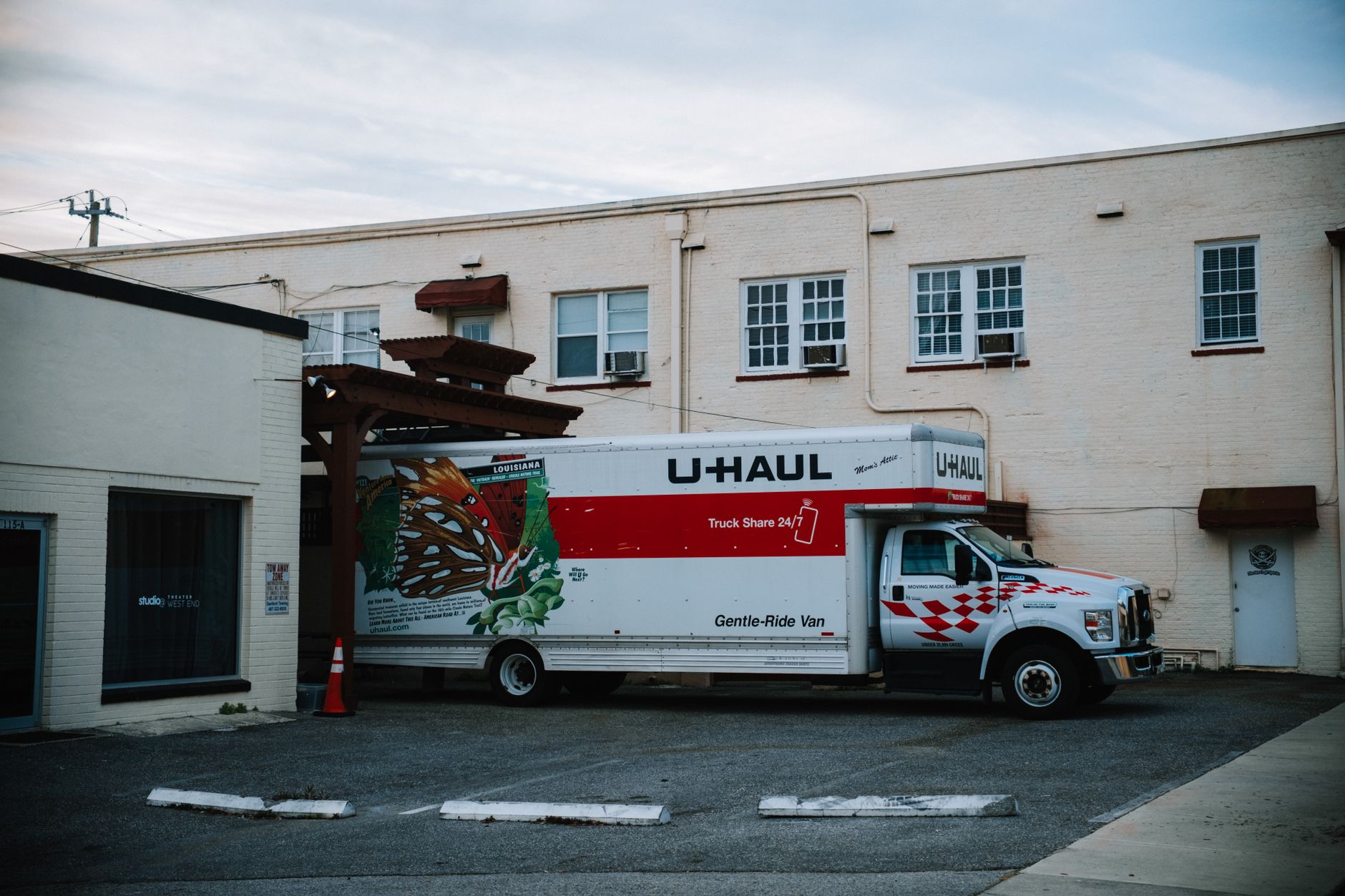
You've got the moving van booked, the dates circled on your calendar. You're ready to move. But are you really?
Moving is one of life's great upheavals. It's stressful and chaotic, even under the best circumstances. And packing boxes is a crucial part of that process - done well, it can make moving easier; done poorly, it can turn a move into a nightmare.

We know this from experience. Our team at Around Town Movers has seen thousands of moves over the years. We've seen what works and what doesn't work when it comes to packing boxes for a move. And we want to share that knowledge with you because we believe that moving should be as seamless as possible.
So here are 10 mistakes to avoid when packing boxes for your next move:
1. Not Packing Like with Like
Packing like with like might sound obvious, but you'd be surprised how many people don't do it. It makes sense to group similar items together - books with books, clothes with clothes, dishes with dishes. This way, when you unpack at your new home, you can quickly find everything and put them away in their respective places.
2. Overfilling Boxes
Overfilling boxes is another common mistake. It's tempting to cram as many items as possible into each box, but this can make them heavy and unwieldy. A well-packed box should be no more than 50 pounds - anything heavier than that is likely to cause problems when you're moving them around.
3. Not Labeling Fragile Items
This one's simple - if you have fragile items, label them as such. Use 'Fragile' stickers or mark them clearly with a sharpie. And then make sure they're packed securely in cushioned boxes with plenty of bubble wrap or packing paper. You don't want your grandmother's vase shattering because someone accidentally dropped the box.
4. Stacking Books Directly Onto Each Other
Books are heavy, and they're also fragile. If you stack them directly onto each other without any padding, they can easily become damaged during transit. Always wrap your books in protective material like bubble wrap or newsprint before packing them into boxes. And remember to pack heavier items at the bottom of the box and lighter ones on top.